

Climate change - a threat to aquatic ecosystems
Rivers, lakes and wetlands are under intense pressure from multiple use, pollution and habitat degradation. The services that aquatic ecosystems can provide to society have been greatly reduced, and the biota is strongly affected, with several aquatic species disappearing from entire ecoregions.
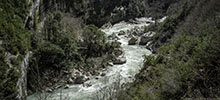


Climate change is predicted to add additional threats (such as increase in water temperature, more unstable flow regimes) while interacting in complex ways with other stressor types, such as eutrophication. Changing climate will also cause changes in land-use and crop production that will further intensify the pressures on freshwater systems. Consequentially, sensitive freshwater species will change their distribution; some will migrate to cooler locations, while others may parish. Non-indigenous species are expected to take over and extend their distributional ranges.
In Europe, the principal legal instrument to halt the deterioration of aquatic ecosystems is the Water Framework Directive, which aims at restoring aquatic ecosystems back to good ecological status; this is a task for generations. Under this framework many indicators have been developed to reflect the status of water bodies and the follow success of restoration. However, climate change impacts were not addressed.
The purpose of the website is to provide information on climate change and freshwater related issues to water managers, scientists and the general public.
The information presented in the website stems mainly from REFRESH output, but not exclusively so. It aims to presenting scientific data in a user-friendly way, so non-experts can access relevant information.
A good starting point is to read the overview "Climate change - a threat to aquatic ecosystems".
Individually we provide information on:
- Climate change and ecosystem response
- Species affected by climate change
- Indicators for climate change impact
- Current methodologies for assessing climate change impact
- Selected case studies
- Adaptation and mitigation measures
Please select the major ecosystem type you are interested in (rivers, lakes or wetlands) to find out more.

